
Introduction: Why Early Roof Checks Matter
A roof is one of the most important structural elements of any property, yet it is often the most overlooked. Because most people rarely inspect their roof, small issues can escalate into expensive repairs or even full replacements. Understanding the early signs of roof damage can save you money, protect your home, and prevent long-term structural issues.
At The Hermitage Group Ltd, we see time and time again how early intervention can make the difference between a simple repair and a costly emergency. This guide will help homeowners identify the warning signs before they become major problems.
Why Roof Damage Happens
British weather can be harsh on roofing systems. Heavy rain, coastal winds, frost, heat, and general wear all contribute to roof deterioration. Even high-quality roofs need routine checks to maintain their performance and lifespan.
By spotting problems early, you can preserve the integrity of your roof, protect your property, and avoid unnecessary disruption.
1. Missing, Cracked, or Loose Roof Tiles
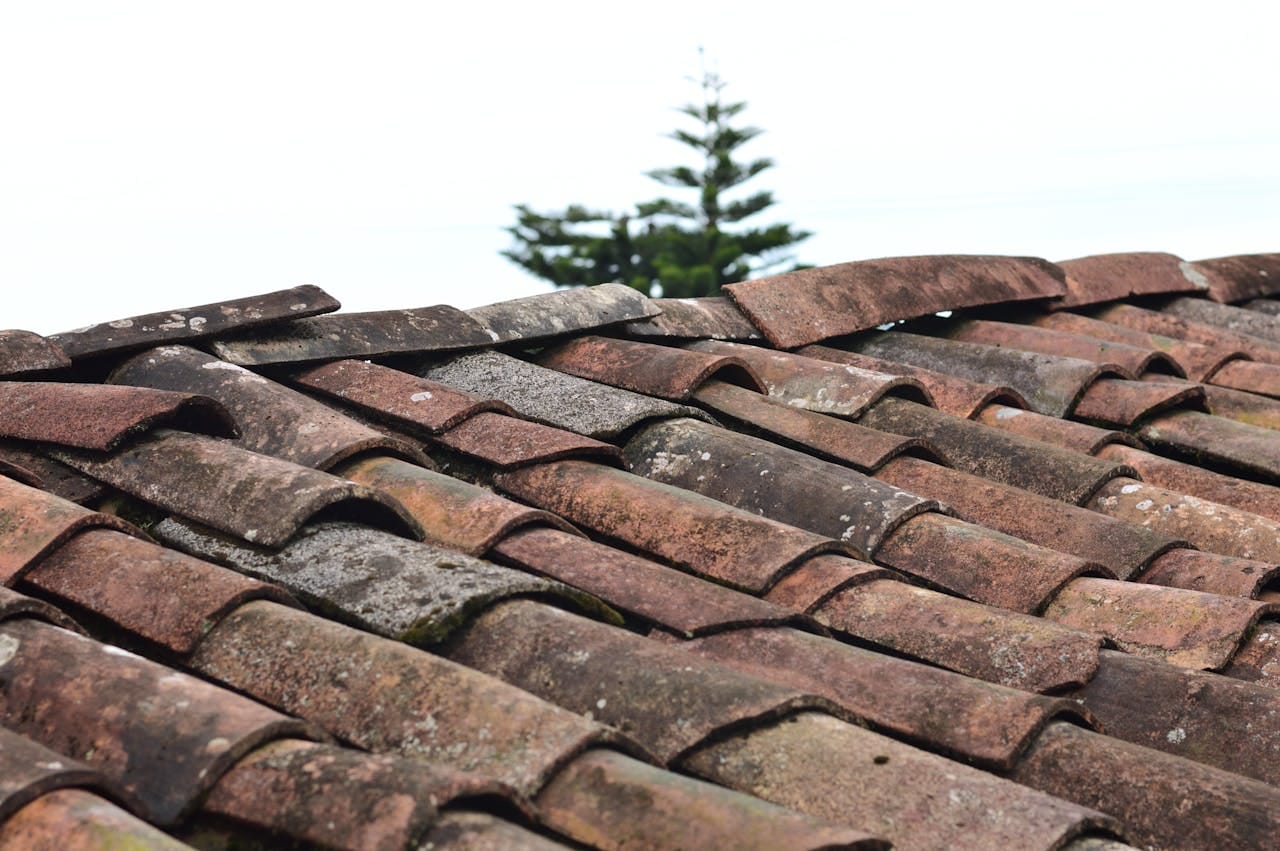
One of the most visible early signs of roof damage is the condition of your tiles or slates.
Indicators include:
Cracked or broken tiles
Tiles slipping out of position
Exposed underlay
Loose or rattling tiles in high winds
Even a single damaged tile can allow water to seep into the structure, leading to damp, mould, or timber rot if ignored.
2. Water Stains or Damp Patches Indoors
If you notice water marks on ceilings or walls, it usually means water is entering through the roof. These stains may appear after heavy rain or persistently over time.
Key indoor warning signs:
Brown or yellow staining on ceilings
Peeling paint or bubbling plaster
Damp patches in upper rooms or loft spaces
Musty odours
Water ingress is one of the most serious issues and should be inspected immediately.
3. Damaged Flashings Around Chimneys and Skylights
Flashings are thin pieces of metal that seal gaps around chimneys, vents, skylights, and roof edges. Over time, flashing can corrode, crack, or lift due to weather exposure.
If the flashing fails, water can easily enter the property. Buildings with older chimneys or skylights are especially at risk.
4. Blocked or Overflowing Gutters
Blocked gutters often point to roof deterioration or poor drainage. Leaves, moss, and debris can build up, causing rainwater to overflow and run down walls.
Signs to watch for:
Vegetation growing from gutters
Water spilling over during rain
Sagging or misaligned guttering
Damp walls below the gutter line
Blocked gutters can cause water to seep under roof tiles or into fascia boards, leading to structural damage.
5. Sagging Roof Lines
A sagging roof is a serious structural warning sign. It may indicate:
Rotting rafters
Compromised roof trusses
Water damage
Poor structural support
Even a slight dip should be investigated promptly, as structural integrity issues can worsen rapidly.
6. Excessive Moss, Algae, or Plant Growth
While moss on its own does not always cause immediate damage, excessive moss can trap moisture, lift tiles, and accelerate wear.
Warning indicators:
Thick moss that lifts tiles
Moisture retention on roof surfaces
Plant roots visible between tiles
Regular maintenance helps prevent long-term deterioration.
7. Granule Loss on Asphalt or Felt Roofs
Flat roofing systems such as felt or asphalt can show early signs of failure long before water enters the building.
Look for:
Bald patches
Blistering or bubbling surfaces
Cracks and splits
Ponding water
Loose edges or peeling layers
Flat roofs need routine inspections because small issues can quickly escalate.
8. Increased Energy Bills
If your heating costs suddenly rise, it may indicate warm air is escaping through the roof. Damaged tiles, poor insulation, and air leaks can all affect thermal efficiency.
Professional roofers can inspect the loft and roof structure to identify the source of heat loss.
9. Interior Light Visible in the Loft
If daylight is visible through the roof when inspecting the loft, it means there are gaps or holes that need attention. These openings allow:
Water penetration
Heat loss
Pest entry
This is a clear sign the roof needs professional assessment.
10. Ageing Roof Materials
Most roofs have an expected lifespan:
Tile roofs: 50+ years
Slate roofs: 80+ years
Felt roofs: 10–20 years
Single ply roofing: 25–40 years
If your roof is nearing the end of its expected lifespan, inspections become even more important. Age alone can create vulnerabilities.
Why Early Detection Saves Money
Acting quickly when you notice the early signs of roof damage can save thousands of pounds in the long run. The advantages include:
Avoiding major leaks
Preventing structural damage
Lower repair costs
Extending roof lifespan
Protecting insulation and interiors
A minor repair today could prevent a full roof replacement tomorrow.
When to Contact a Professional Roofer
Contact The Hermitage Group Ltd if you notice:
Persistent leaks
Missing tiles
Cracks or sagging areas
Damaged flashing
Blocked or failing gutter systems
Significant moss growth
Our roofing specialists offer detailed inspections, transparent advice, and long-lasting repair or replacement options.
FAQs
How often should I have my roof inspected?
At least once a year, and after major storms or heavy winds.
Can I inspect my roof myself?
You can visually check from the ground or inside the loft, but climbing onto the roof is unsafe. A professional inspection is recommended.
What is the most common early sign of roof damage?
Missing or displaced tiles and damp patches indoors are the most frequently spotted.
Do small leaks always mean a big problem?
Not always, but leaks rarely fix themselves. Early repair stops bigger issues from forming.
Do you repair both pitched and flat roofs?
Yes. We handle all roofing types, including tile, slate, flat, single ply, and heritage systems.
Conclusion: Protect Your Home Before the Damage Spreads
Identifying the early signs of roof damage is one of the most effective ways to protect your property. A few simple checks can prevent costly repairs, structural issues, and stress later on.
At The Hermitage Group Ltd, our roofing experts are here to help you maintain a strong, reliable, and long-lasting roof. Whether you’ve noticed a minor issue or simply want peace of mind, our team provides thorough inspections and professional solutions tailored to your property.